Inside Sri Lanka Cricket's Dressing Room: The Captaincy Battles, Selector Wars and Drama That Never Ends
There is a popular saying in Sri Lanka that cricket is not just a sport — it is a national religion. And like all religions, it comes with passionate internal disputes, institutional politics, and theatrical moments that would be difficult to script even for the most imaginative writer.
Sri Lanka cricket's recent years have been something of a masterclass in how not to manage a cricketing culture at the highest level. Just when the team produces flashes of the brilliance that once made them world champions, something off-field arrives to completely derail the conversation.
The single moment that perhaps defined the past two years more vividly than any boundary struck or wicket taken was Angelo Mathews' timed out dismissal at the 2023 Cricket World Cup — the first such dismissal in international cricket history. When Bangladesh's Shakib Al Hasan appealed after Mathews' helmet strap broke during his walk to the crease, the umpires upheld the dismissal under the strict letter of the law. The global outrage was immediate and fierce. Players, teams, fans, and pundits worldwide piled in with opinions. The image of a composed, quietly furious Mathews walking off the field became one of the most widely shared cricket images of the year, igniting weeks of debate about the spirit of the game versus its rulebook.
But the captaincy is where Sri Lanka cricket's internal politics are perhaps most consistently visible. The national captaincy has changed hands with a bewildering frequency that raises serious questions about the selection committee's consistency and long-term strategic thinking. Dhananjaya de Silva has shouldered the challenge of leading the team through a demanding period while questions about player form, fitness management, and the rotation of senior players continue to circulate.
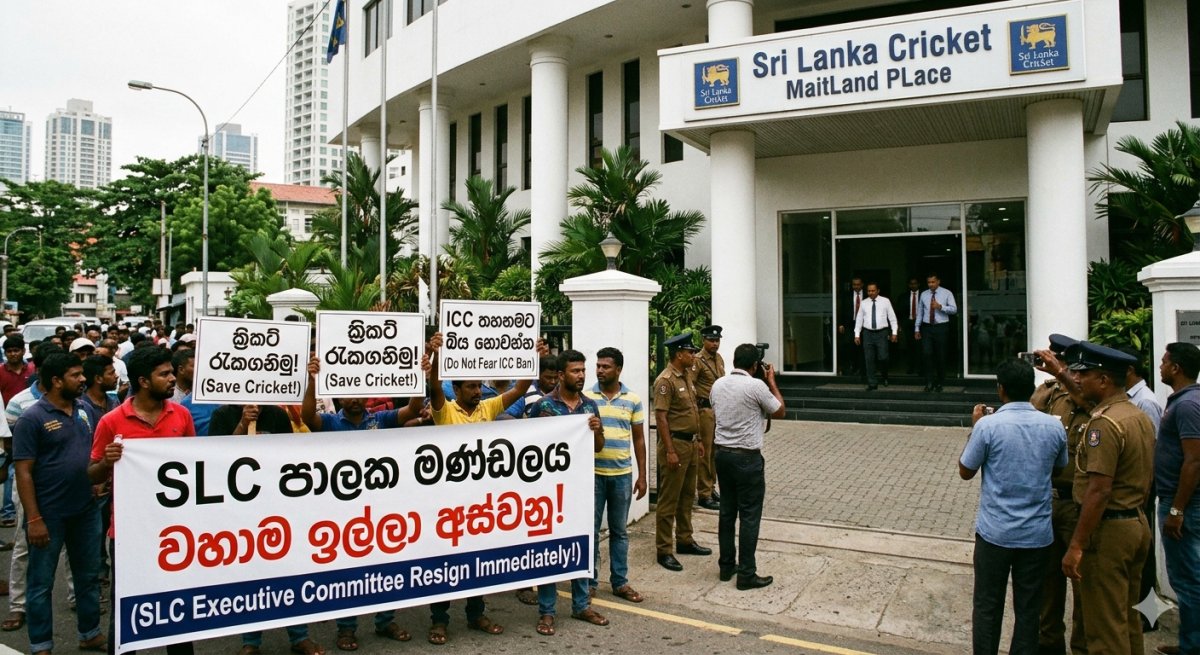
The Sri Lanka Cricket board itself has not escaped scrutiny. Governance disputes, persistent allegations of political interference in team selection, and questions about investment in domestic cricket infrastructure have all made headlines. Critics argue that without meaningful structural reform, Sri Lanka will continue producing talented individual cricketers who are ultimately let down by institutional dysfunction around them.
And yet the talent is undeniably there. Pathum Nissanka has emerged as one of the most technically accomplished opening batters in Asian cricket. Maheesh Theekshana and Prabath Jayasuriya offer genuine world-class spin depth. The fast bowling reserves, once a chronic weakness, are developing with real promise.
Sri Lanka cricket stands at a genuine crossroads. The drama off the pitch is real, persistent, and damaging. But so is the potential on it. Whether they bridge the gap depends on far more than what happens between the wickets.
Related Gossip